
Aspire Business Solutions Blog
Aspire Business Solutions has been serving the Oklahoma City area since 2008, providing IT Support such as technical helpdesk support, computer support, and consulting to small and medium-sized businesses.

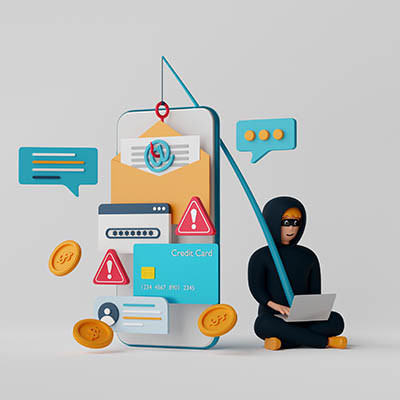
Phishing is a hugely common form of cyberattack where fraudsters craft deceptive messages designed to trick you into revealing sensitive information or granting access to secure systems. Why is it so widespread?
Simple: breaking through sophisticated enterprise encryption is hard, and manipulating human psychology is vastly easier. That’s why phishing remains the single most common entry point cybercriminals use to compromise small and medium-sized business networks.
0 Comments
If you want to impress the boss, it helps to make yourself look as impressive as possible. One way to do this is to be particularly engaged and responsive in your email practices… and to accomplish this, it helps to keep your inbox organized and managed.
Let’s go over some simple tips that you can use to show off how professional you are with your emails as you use Gmail.
If you’re reading this on the day it's posted, it's Wednesday. How often have you had to rewrite the same messages, over and over, in your internal reporting and client interactions so far this week? Probably quite a bit, and certainly more than you’d prefer.
The trouble is, this is all wasteful. Not only does replicating this message over and over spend valuable time, but it also uses up mental energy… plus, simply copy-pasting can easily lead to errors and oversights. Fortunately, modern email platforms offer templates that can be used to generate consistent and quality messages. Let’s review how.

While we all know how much magic the workshops up at the North Pole rely on to produce presents for the good children of the world, we have it on good authority that they also rely on quite a bit of technology. For instance, there are a lot of letters that need to be sorted and read before Santa’s big ride. Let’s read up on what our partners up north frequently deal with in their critical operations.
If you are a Gmail user, you might have noticed the different inbox categories available. This makes it much easier to reach “inbox zero.” With the “priority inbox,” you can achieve this feat without so much as breaking a sweat—unless you count sweat from how much you’re laughing at how easy this tip is to pull off.
Amazon Prime subscribers recently received an email from the online marketplace, warning them of the prevalence of scams that took advantage of their offerings and brand recognition. Let’s go through the advice that this email shared, and compare it to the best practices we recommend for avoiding scams.
We talk a lot about phishing. What it is, what it does, and perhaps most critically, what it looks like. However, have you ever expected a phishing email to look like… nothing? As in, a completely blank message?
If you answered, “no,” that’s exactly what today’s cybercriminals are counting on.
Mobile? Grab this Article